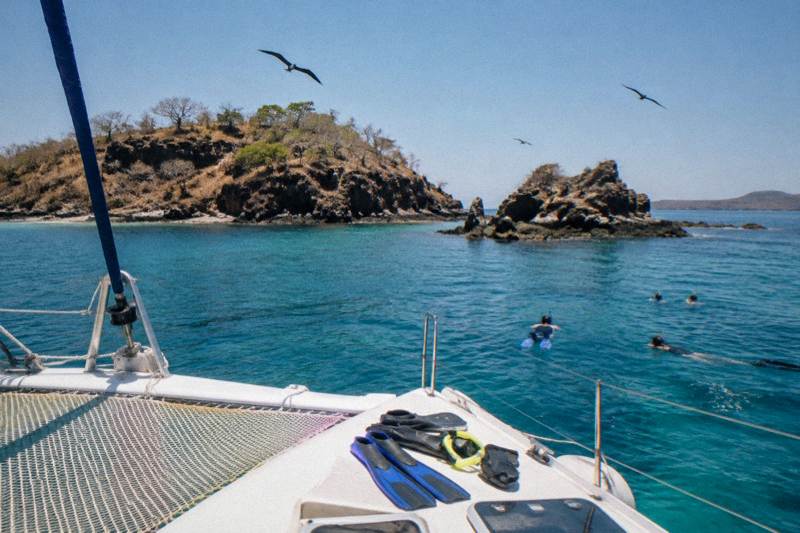
Where Is The Best Place To See Turtles In Costa Rica?
The honest answer to Costa Rica's turtle question: nesting beaches like Playa Grande, park rules, and what Tamarindo boat trips can and cannot show you.
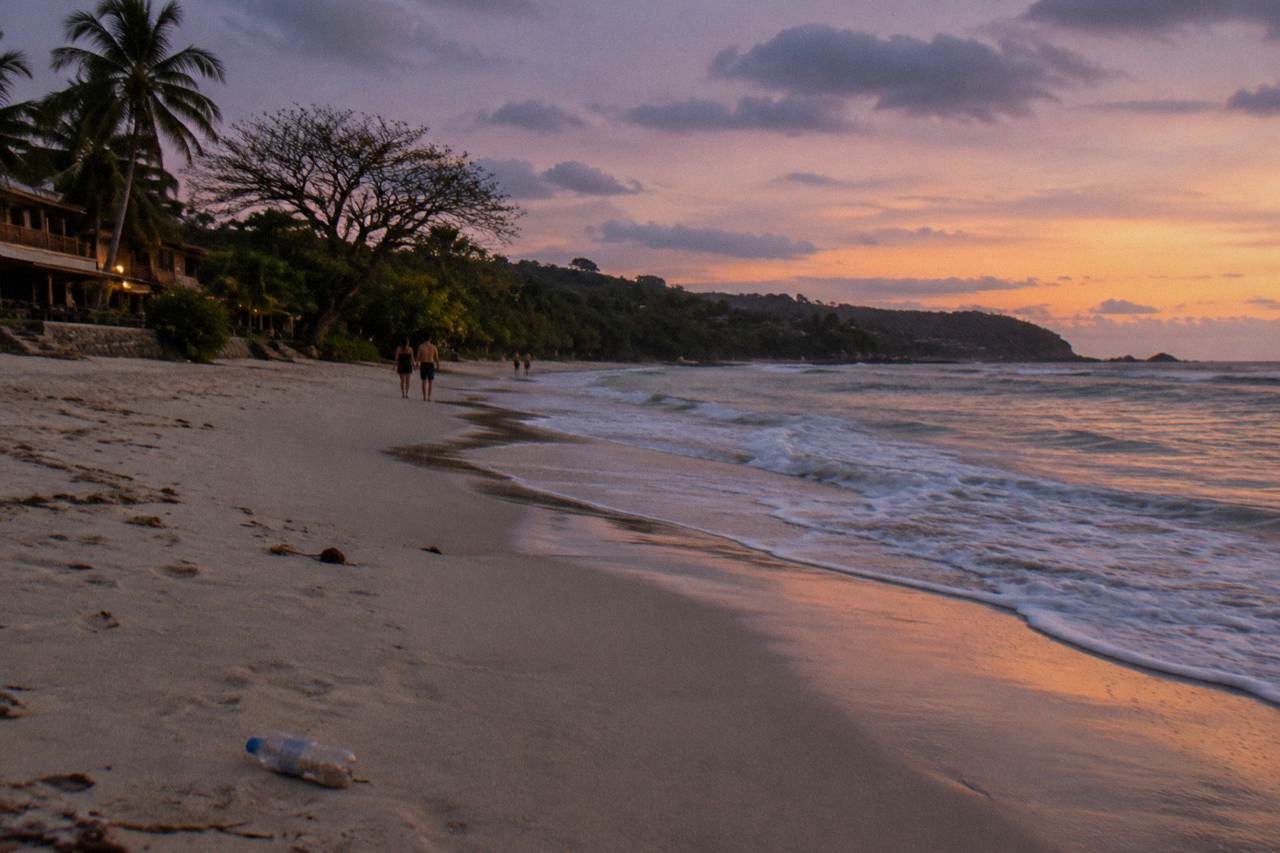
Costa Rica's beaches and offshore waters host sea turtles year round, but the honest answer splits into two very different experiences: standing on a protected nesting beach under park rules, or watching for turtles surfaced beside a boat in open water. The national park system publishes the nesting seasons, and tour listings describe the rest. Neither one promises an animal.
The single most important fact for 2026 travelers is that turtle observation tours inside Las Baulas National Marine Park at Playa Grande, next to Tamarindo, are currently not available. Recent seasons recorded only 2 to 8 leatherback females across the whole park, after a decline of more than 95 percent since the late 1980s. So the "best place" question now has a harder edge: some of the famous options no longer operate the way older guidebooks describe.
This article lays out what the official park information actually says, where the nesting beaches are, what season each species uses, and what a boat trip from Tamarindo can and cannot show you. If your plan centers on the water rather than the sand, the morning nature catamaran with kids' games is the catalogue trip built around exactly that idea, and we come back to it below.
The best place to see turtles in Costa Rica, on paper, is a nesting beach inside a protected park during its nesting season: for this coast, the leatherback beaches of Las Baulas (Playa Grande, Langosta and Ventanas) from October 20 to February 15. In practice, organized turtle observation inside Las Baulas is currently unavailable, and sea turtles seen from Tamarindo boats, reported in 2026 guest reviews, are wild animals with no guarantee.
That is the two-part answer, and both halves matter. The park's official information names three sea turtle species that visit: leatherback, olive ridley and black (green) turtle. The leatherback nesting window is published, October to February, with the observation season beginning 20 October and ending 15 February. Park rules cap groups at 15 people accompanied by a local guide or tourist promoter, with total beach capacity limited to 120 people split across two official entrances. Photography is not allowed, touching is not allowed, and only the guide carries a flashlight, fitted with a red filter.
But a 2026 press and operator consensus, summarized by conservation and local sources, says the observation tours themselves are suspended because so few females are nesting. The park remains open, the estuary mangrove tours still run with local guides, and the nesting rules still stand for anyone on those beaches after dark during the season. What is gone, for now, is the ticketed nesting-watch experience.
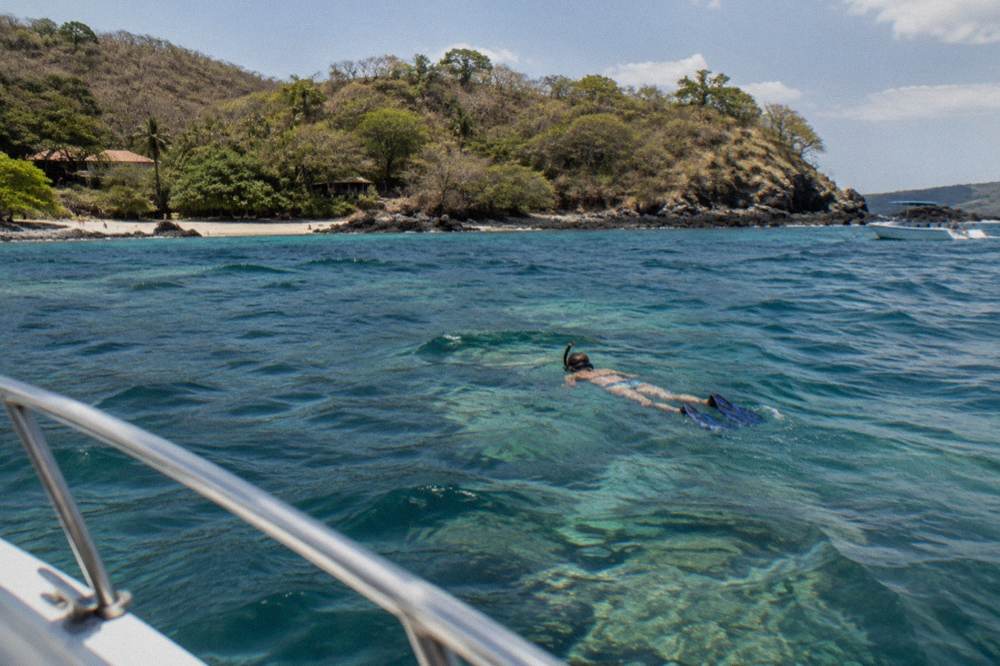
There is a second, very different turtle experience that still works exactly as described: sea turtles surfaced in open water, spotted from a boat. Guest reviews of the Marlin del Rey catamaran from Tamarindo and Playas del Coco reported sea turtles in June, July and October 2026, alongside dolphins, whales and flying fish on some trips. Those are wild sightings, reported by guests, never scheduled. The listings describe them as possible; nobody honest promises them.
For readers whose trip is based in Tamarindo, the practical split looks like this:
| Experience | Where | Officially allowed? | What you actually get |
|---|---|---|---|
| Leatherback nesting watch | Playa Grande, Las Baulas park | Season defined 20 Oct to 15 Feb, but organized observation currently unavailable | Park rules and estuary visits still apply; no turtle-watch ticket |
| Olive ridley and black turtle nesting | Same park beaches, smaller numbers | Same rules; season details less documented | Possible encounters under guide rules, never promised |
| Sea turtles in open water | Tamarindo and Flamingo boat trips | Yes, boats run daily | Wild sightings reported by guests in 2026; no guarantee |
| Mangrove and estuary wildlife | Tamarindo Estuary, park wetlands | Yes, with local guides | Howler monkeys, crocodiles, birds; tide dependent |
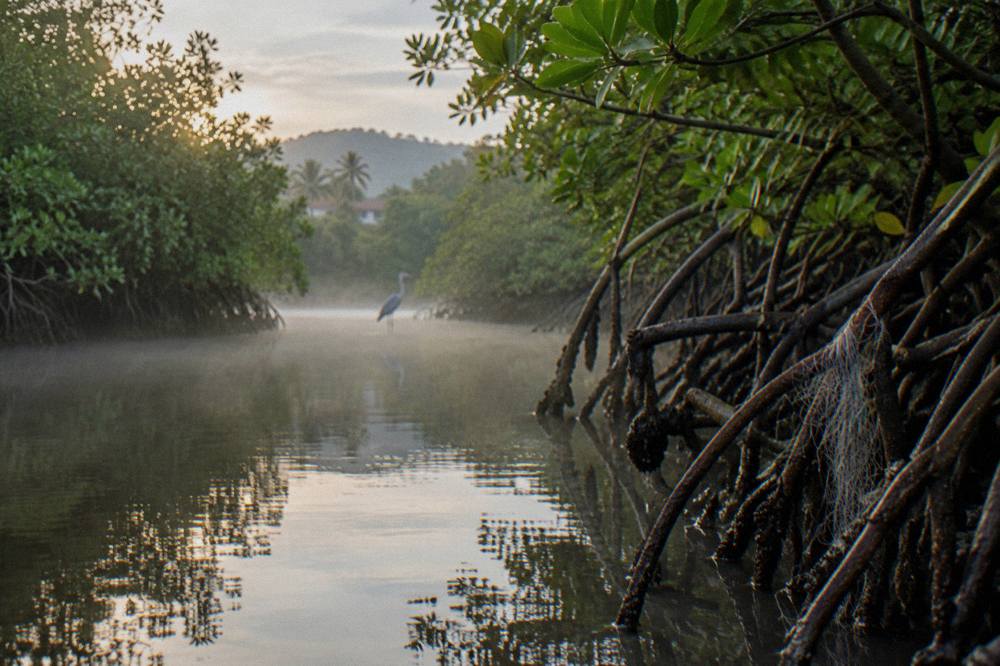
The estuary deserves a note of honesty. The Tamarindo Estuary is described by the park service as a wetland "of worldwide importance", and estuary boat tours with local guides run from Tamarindo, but they are a separate small-boat outing sold elsewhere, not part of this site's catamaran catalogue, and no price is printed here because none belongs to a catalogue listing. For being on the water with a chance of marine life, the catalogue trips are the catamarans.
What Are The Las Baulas Park Rules For Turtle Season?
The park is open daily 6:00 AM to 6:00 PM year round; during the October to February nesting season beach access is restricted in the evening, groups are capped at 15 with a guide, total capacity is 120 people, and photographing, touching or flashing lights at turtles is prohibited. Only the guide may use a flashlight, with a red filter.
Those rules come straight from the official SINAC page for the park, and they exist because the leatherback population here has collapsed. A community conservation source reports that recent seasons saw only 2 to 8 nesting females across the park's beaches, down more than 95 percent from the late 1980s. That number is the whole reason the observation tours stopped. A beach with a handful of nesting females cannot carry a nightly tourist operation.
Two details travelers routinely get wrong. First, boats do not enter the nesting beach. No catamaran, no estuary boat, no vessel lands on Playa Grande or the other nesting strands; the sea turtles guests see from catamarans are swimming animals in open water, entirely separate from the nesting spectacle. Second, daytime park use is normal and permitted: the official page lists surfing at Playa Grande and Playa Langosta, shallow diving at Playa Carbon, no pets, no single-use plastics, no vehicles or fires on the beach, and no camping. A daytime beach day and the (currently suspended) night watch are different products with different rules.
Check the official SINAC portal for current fees and hours.
The nesting season timing, at least, is firmly published:
| Turtle species | Nesting beaches (official) | Season per SINAC | Notes |
|---|---|---|---|
| Leatherback | Playa Grande, Langosta, Ventanas | 20 October to 15 February | Critically endangered; observation tours currently unavailable |
| Olive ridley | Park beaches | Smaller numbers, less documented | Press sources point to dry-season months, limited official detail |
| Black (green) turtle | Park context | Referenced generally by the park page | Least specific official information |
Can You See Sea Turtles From A Tamarindo Boat Trip?
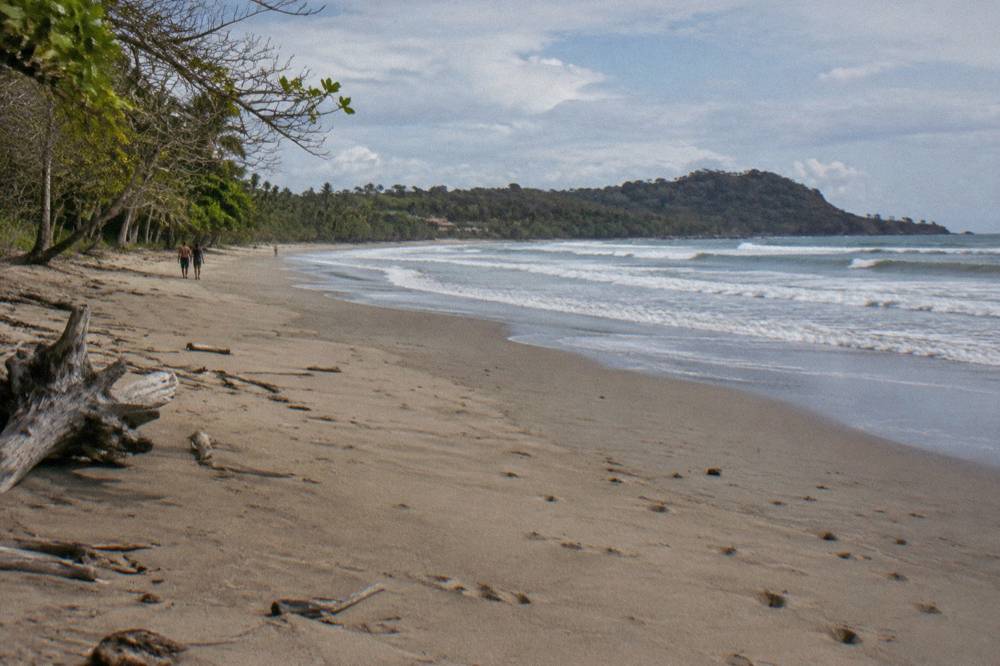
Yes, as a possibility and never as a promise. Guest reviews of Tamarindo catamarans reported sea turtles in June, July and October 2026, along with dolphins, whales and flying fish on some trips. The listings describe marine life as possible; wild animals set the itinerary, and no honest operator or writer can guarantee a sighting.
This is the distinction the whole article turns on. The nesting beaches are a protected, rule-bound, currently suspended experience. The open water is a daily, bookable, wide-open one where turtles appear when they appear. The 2026 review record for the Marlin del Rey catamaran, which sails from Tamarindo and Playas del Coco, includes a June review reporting sea turtles, a July review noting turtles, dolphins and birds, and an October review describing whale watching, sea turtles and flying fish. Reviews from the same summer also include trips where the highlight was snorkeling and the ride, not wildlife. Both kinds of day are normal.
The Flamingo-area listings are written the same way. The Playa Flamingo sunset catamaran listing, which includes Tamarindo hotel pickup, highlights possible sightings of turtles, whales, dolphins and rays jumping along the Pacific coast. Snorkel and wildlife listings in the area name dolphins, sea turtles, puffer fish, schools of snappers and reef fish, occasional manta rays or reef sharks, and whale potential in season. "Possible" and "occasional" are the load-bearing words, and they are the operator's own.
Where the water is clearest matters too. Operators report snorkel visibility of about 15 to 25 m in the dry season (December to April) versus about 8 to 12 m or less in the green season (May to November), and press reporting notes that open-beach water at Tamarindo itself is often cloudy from sediment and wave action, improving at nearby coves and the Catalina Islands. A catamaran that moors at a secluded bay gives you better fish-watching odds than swimming straight off the town beach. The Costa Rica tourism institute's own Guanacaste guide notes humpback sightings possible on northern Pacific tours from December to April and July to October, which is the official ceiling on what anyone may claim about the whales. For a wider look at where the water stays clear enough for snorkeling beyond this stretch of coast, our guide to Costa Rica's clearest snorkeling spots compares the regions side by side.
For families this is where the morning nature catamaran tour with kids' games earns its spot. It runs 4.5 hours from the El Chiringuito area of Tamarindo beach, from $98 per person, with lunch, an open bar and snorkel gear listed, and the listing is built around nature viewing and family games rather than a party pace. It has too few reviews for a star claim, so we print no rating. The price, duration and inclusions above are the listing's own.
The related read on planning around this is the Tamarindo snorkeling tours guide, which breaks down the coves, the islands and the seasonality of underwater visibility, and the wider guide to Las Baulas park and Tamarindo boats covers the park side in more depth than this page.
What Can Boats Near Playa Grande Show, And What Can They Not?
Boats near Playa Grande can show you swimming sea turtles, dolphins, rays and in-season whales in open water, and they can moor at coves for snorkeling. They cannot land on the nesting beach, cannot run a turtle-watch, cannot approach the nesting spectacle, and cannot promise any animal at any time. That is the line, drawn by park boundaries and honest listing language alike.
It is worth spelling out because the marketing you will see elsewhere blurs it. A catamaran departing Tamarindo sails the same stretch of coast that Playa Grande fronts, and guests reported turtles on some June, July and October 2026 trips. What no boat sells is access to the nesting beach itself: the park's nesting strand is closed to vessels, and the organized observation that once operated there under the 15-person group rule is, per current reporting, not running at all. Any product that implies otherwise should be treated with suspicion.
The catalogue's shared trips frame this honestly by focusing on what is controllable: the sail, the snorkel stop, the meal, the bar, the sunset. The Timarouba sunset sail with open bar, rated 4.5 from 504 reviews, from $97 per person for 5 hours with lunch, open bar, snorkel gear, kayaks and a paddleboard listed, is the featured sunset option on this site, as the Tamarindo Catamaran Cruises homepage comparison lays out. The Blue Dolphin day catamaran, rated 4.5 from 990 reviews, from $90 per person for 4.5 hours with fajita-style meal, drinks and snorkel gear listed, is the daytime equivalent with one of the larger review pools in the catalogue. Both listings describe wildlife as possible, not scheduled.
A practical note on timing: operators recommend morning departures for snorkeling because wind typically rises after about 11 am, especially in the Papagayo wind months of December to March, when choppy seas can shorten water time. If marine life is the point of your day, the morning sail is structurally the better bet, quite apart from the kids' games on the family departure.
When Should You Plan A Turtle Trip?
For nesting, the published leatherback season runs 20 October to 15 February, though organized watching inside Las Baulas is currently unavailable. For sea turtles from a boat, any month works on paper, with the clearest water and calmest seas in the dry season, December to April, and green season afternoons wetter but warmer. Humpback whales overlap two windows: December to March or April, and July to mid November.
The month-by-month picture for the Tamarindo coast, using the verified rainfall and sea-temperature normals plus the reported visibility ranges:
| Months | Rain | Sea conditions | Visibility (operator reported) | Turtle and whale context |
|---|---|---|---|---|
| December to February | Driest, February lowest | Papagayo winds peak, chop possible | About 15 to 25 m | Leatherback nesting season open; northern humpbacks present |
| March to April | Dry, heating up | Winds easing late | About 15 to 25 m | Nesting season to 15 Feb; olive ridley noted by press into dry months |
| May to August | Rains build | Calmer wind, green season swells | About 8 to 12 m | Southern humpbacks arrive July |
| September to November | Wettest, October peak | Green season, runoff | 8 to 12 m or less | Southern humpbacks peak August to September; nesting season reopens 20 Oct |
Note what the table does not say: none of it predicts a turtle. Nesting numbers are low enough that even the park's own season no longer translates into a bookable watch. These listings, by contrast, include some June, July and October 2026 trips where guests reported turtles, since a swimming turtle pays less attention to the calendar than a nesting one does.
If you are building a whole trip around this, the best time for a Tamarindo boat tour guide works through the seasonality in more depth, including the rainy-season trade-offs.
Common Questions About Turtles In Costa Rica
Where Is The Best Place To See Turtles In Costa Rica?
On paper, the nesting beaches of Las Baulas National Marine Park (Playa Grande, Langosta and Ventanas) during the published leatherback season of 20 October to 15 February. In practice, organized turtle observation inside the park is currently unavailable because nesting numbers are very low, so the working answer for most travelers is a boat trip from Tamarindo or Flamingo, where guests reported sea turtles on some June, July and October 2026 trips, with no guarantee. Not through an organized tour right now. The park defines the nesting season (20 October to 15 February) and the rules (groups of 15 max with a guide, no photos, no touching, red-filter guide flashlight only), but 2026 reporting says observation tours are suspended after recent seasons recorded only 2 to 8 nesting leatherbacks park-wide. Confirm current status with the park service before planning around it. Sometimes. Guest reviews of Tamarindo catamarans reported sea turtles in June, July and October 2026, along with dolphins and occasional whales. The listings describe sightings as possible, and no operator or honest writer can promise an animal. Choose a trip for the sail, snorkel and sunset, and treat any turtle as a bonus. No. Boats do not land on or approach the nesting beach. Sea turtles seen from catamarans are swimming animals in open water, a completely separate experience from the nesting spectacle, which is currently restricted anyway. Any month can produce a sighting, but the dry season, December to April, brings the calmest seas and the clearest water, with operators reporting visibility around 15 to 25 m versus 8 to 12 m or less in the green season. Mornings are best for water time because wind typically rises after about 11 am. The morning nature catamaran with kids' games runs 4.5 hours from Tamarindo beach, from $98 per person, with lunch, an open bar and snorkel gear listed, and it is built around nature viewing and family activities rather than a party pace. It has too few reviews for a rating claim. Check the listing for age details.Can you see turtles nesting at Playa Grande?
Do Tamarindo catamaran tours see sea turtles?
Do boats enter the nesting beach at Las Baulas?
What is the best time of year for turtles on the water?
Which boat trip suits a family hoping for marine life?