What Part Of Costa Rica Has The Best Snorkeling?
Costa Rica's best snorkeling sits where clear water meets boat access: the Guanacaste coast, the Catalina Islands and the coves north of Tamarindo. Here is how the regions compare.
Costa Rica has two snorkeling countries inside one border. The Caribbean coast has its own snorkeling spots, though those waters sit beyond these Tamarindo-based listings. The Pacific side is bigger, bolder and more consistent for visitors, and its northern stretch, the Guanacaste coast, is where boat-access snorkeling is easiest to actually book. The question "what part of Costa Rica has the best snorkeling" is really a question about water clarity and logistics, and the honest answer is that the northwest Pacific wins on both for most travelers.
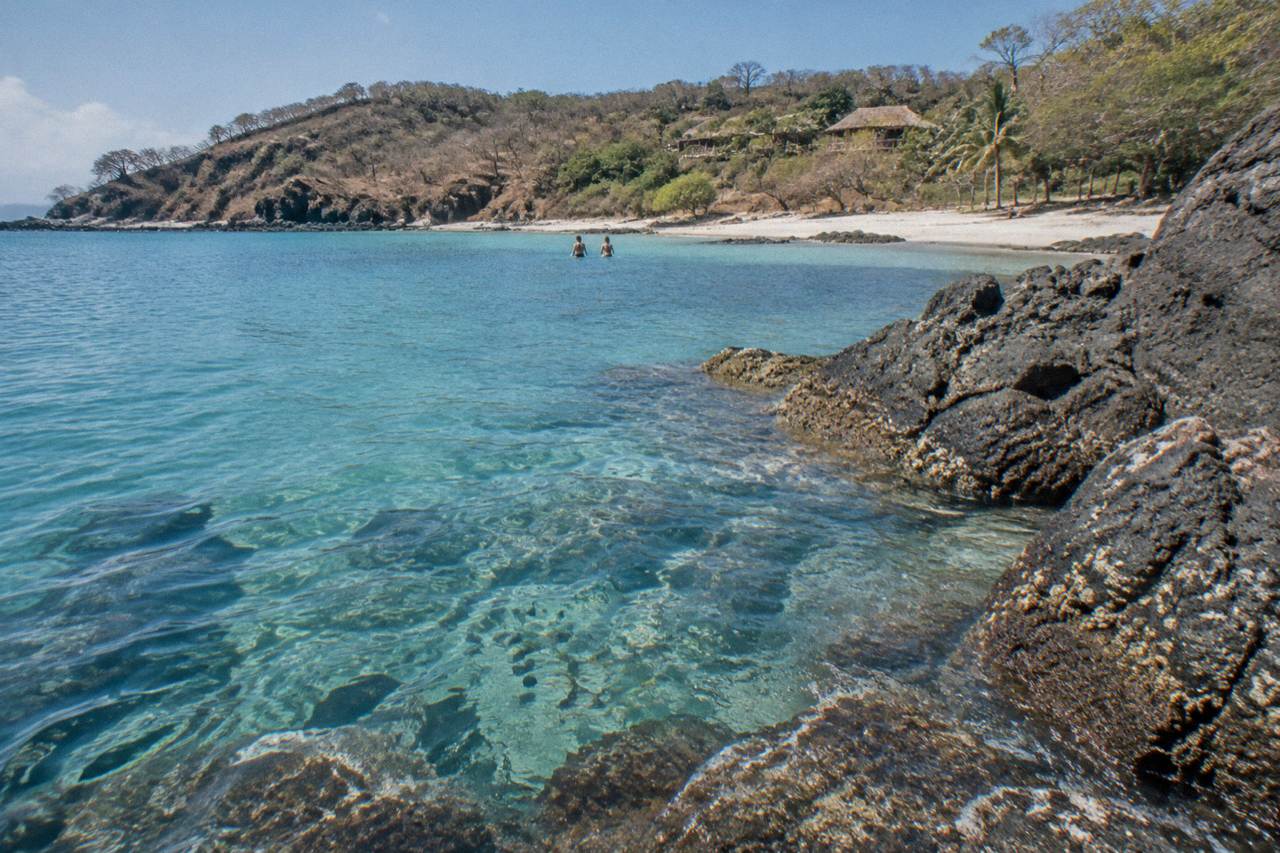
Operators on this coast report underwater visibility of 15 to 25 meters in the dry season, roughly December to April, against 8 to 12 meters or less through the green season months of May to November. Those numbers, which come from operator reporting rather than a government gauge, still sketch the pattern every snorkeler here meets: sediment and swell reduce clarity on open beaches, while coves and islands hold cleaner water. A recent analysis of Tamarindo specifically notes that open-beach clarity is often reduced by sediment and waves but improves significantly at nearby coves and the Catalina Islands. That is why the snorkel trips that leave from this beach almost all motor or sail somewhere else before anyone gets in the water.
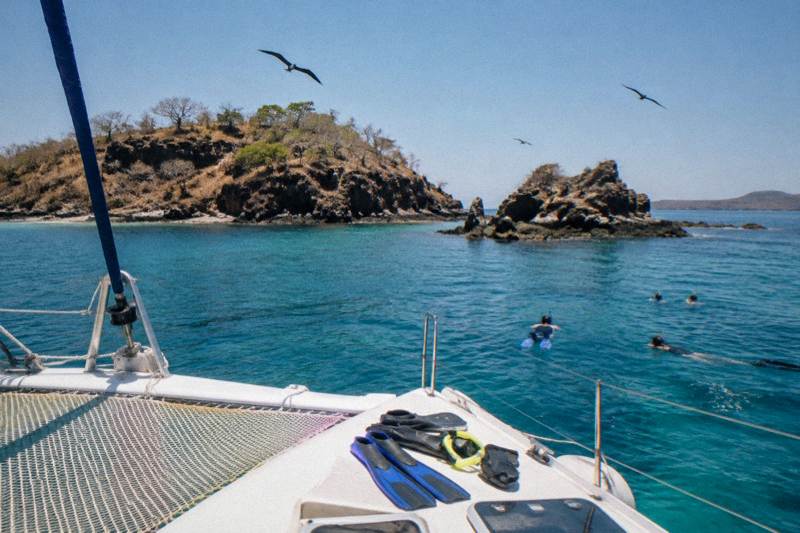
The catalogue of trips this site covers is entirely Pacific and entirely boat-based, and that is no accident. The Blue Dolphin day catamaran, a 4 hour 30 minute sail from the El Chiringuito area of Tamarindo beach, carries snorkel gear and a stand up paddle board, serves a meal with chicken fajitas and fruit, and pours an open bar, rated 4.5 from 990 reviews and priced from $90 per person. Trips like that one, and the Tamarindo snorkeling trips we compare elsewhere, are the practical way to reach the clear water.
Why Boat Access Decides Where You Snorkel
Snorkeling quality in Costa Rica is decided less by which coast you pick than by whether a boat can put you over a reef or island at the right hour. Shore entry on open Pacific beaches means waves and sediment; island and cove stops mean clearer water, and only boats reach the best of them. Operators and travel sites consistently describe the same geography: the good visibility sits at the Catalina Islands, at Playa Conchal, and in the secluded bays north and south of Tamarindo, none of which are reliably swimmable from the sand in town.
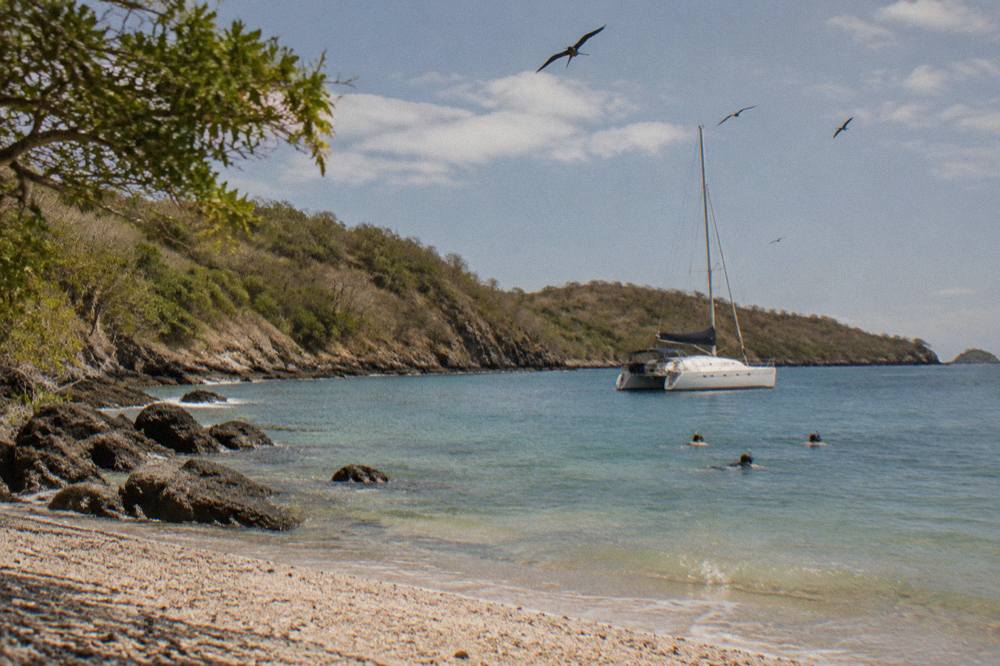
The mechanics are simple. A listing for a snorkel and wildlife boat tour from Tamarindo describes stops at Playa Conchal, rated highly for shells and snorkeling, and the Catalina Islands, known for manta rays and dolphins, with visits to local bays along the way. Another operator page describes a 45-minute catamaran sail from Tamarindo out to the Islas Santa Catalina for guided snorkeling sessions with marine life spotting. Guided sessions matter, because the islands sit in open water where currents shift and a crew that knows the leeward side of the rocks on a given morning is the difference between a good hour in the water and a frustrating one.
Morning timing matters just as much as location. Operators recommend morning departures because wind typically rises after about 11 am, roughening the sea surface, and the effect is strongest in the Papagayo wind months of December to March. The morning catamaran from Playa Flamingo, rated 5.0 from 44 reviews, departs mid-morning for exactly this reason, and the morning nature catamaran with kids' games from Tamarindo, from $98 per person, does the same for families. If clear water is the goal, book the earliest trip your vacation allows.
For travelers deciding between shared and private options, the private catamaran charter guide covers how a hired boat changes the snorkeling equation: you choose the bay and the hour rather than following a fixed route.
Dry Season Versus Green Season Visibility
Operators report underwater visibility of 15 to 25 meters on the Guanacaste coast in the dry season, December to April, against 8 to 12 meters or less in the green season, May to November. Sea temperature stays warm year round, roughly 27 to 29 degrees Celsius, so the season changes what you see, not whether you can swim. These are operator-reported planning ranges, not official measurements, but they match what the rainfall record implies.
The rain numbers explain the visibility pattern. Tamarindo's 30-year rainfall normals show February as the driest month and October as the wettest by a wide margin, with roughly 1,825 mm falling across a typical year. Rain falling on watersheds carries sediment into coastal water, which is why green season snorkeling on the mainland coast gets murky after storms while the islands, surrounded by deeper and faster-moving water, clear faster. The same data shows an abrupt step from the last dry months into May's downpours: the transition between seasons is not gradual here, it is a switch.
| Season | Months | Reported visibility | Notes for snorkelers |
|---|---|---|---|
| Dry | December to April | 15 to 25 m | Calmest seas, clearest water, busiest beaches |
| Transition | Late November, early May | Variable | Fewer crowds, water clearing or clouding |
| Green | May to November | 8 to 12 m or less | Lusher coast, afternoon rain, islands clear fastest |
Two wrinkles sit inside the dry season. Papagayo winds, northeasterly gap winds that peak December to March, can chop the surface and cool the top layer even while the water underneath is clear, which is another argument for morning departures. And October, the wettest month by a wide margin, is the one stretch where even optimistic operators hedge. The national weather service's outlook for November 2026 through January 2027 points to typical dry season patterns for the Pacific, which is the season to aim for if snorkeling is the main reason for the trip. More month-by-month detail is in the best time for a boat tour guide.
The Catalina Islands, Conchal, And The Northern Coves
The strongest single answer to the snorkeling question is the stretch of coast from Tamarindo north through Playa Conchal, Playa Flamingo and the Catalina Islands, where islands and pocket coves concentrate clear water and marine life within an easy sail of shore. Listing descriptions for this coast name common sightings of dolphins, sea turtles, puffer fish and schools of snappers and reef fish, with occasional manta rays or reef sharks at the islands, and humpback whales possible in season. None of that is promised on any given day, and no honest listing promises it.
What the listings can promise is gear, guidance and access. The Timarouba day sail, rated 4.5 from 203 reviews and from $99.50 per person, includes snorkel gear, kayaks and paddleboards alongside lunch and an unlimited bar. The Flamingo catamaran with lunch and drinks, rated 4.9 from 20 reviews and from $100 per person, boards at Marina Flamingo and includes a certified guide and snorkel equipment. The all inclusive day sail from Calle Cruz in Tamarindo, rated 4.5 from 123 reviews and from $90 per person, pairs a 4.5 hour cruise with lunch, drinks, snorkel equipment and two kayaks.
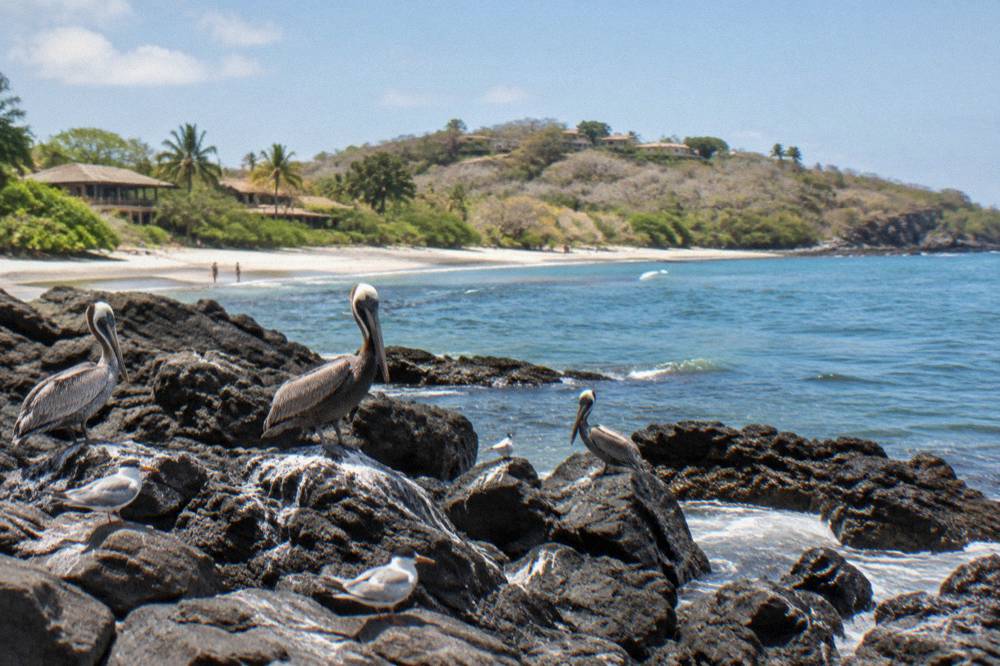
Playa Conchal deserves its own sentence even though none of these trips is named for it. Operators describe it as rated highly for shells and snorkeling, a white-sand and crushed-shell beach north of Tamarindo on the stretch toward Playa Flamingo, and the Playa Conchal by boat guide covers how catamaran and boat tours work it into their routes. The beach is swimmable from shore, which most of this coast is not, and that makes it a rare double: a good snorkel stop by boat and a good beach day by car.
Marine life around the islands is seasonal in ways worth planning around. Humpback whales are reported in two groups off the Pacific coast, a northern group roughly December to March or April and a southern group roughly July to mid November, peaking August to September, according to the Tico Times season reporting and the national tourism institute's northern Guanacaste guide. Sightings from Tamarindo catamarans do appear in 2026 guest reviews of the Marlin del Rey trips, which mention turtles, dolphins, whales and flying fish. Sightings are never guaranteed; the season windows just improve your odds of being on the water when something big passes.
What About The Caribbean And The South?
Costa Rica has other snorkeling areas, among them Cahuita and Manzanillo on the southern Caribbean coast and Caño Island off the Osa Peninsula in the south Pacific. All lie far from Tamarindo, and these trips do not go there. Both are genuinely good. Neither is easy to combine with a Guanacaste base, and the distance is the reason most visitors end up snorkeling the northwest.
The honest trade-off is this: Cahuita's coral reef is protected inside a national park, and the Caribbean coast is a snorkeling region in its own right, but it sits on the far side of the country from Tamarindo, so reaching it means crossing all of Costa Rica rather than sailing from town. Caño Island, off the Osa Peninsula in southern Costa Rica, sits far from Tamarindo, and trips there fall outside what this site covers. The Guanacaste coast gives up some of that wildness in exchange for something the others cannot match: a 4 or 5 hour catamaran trip, with lunch and an open bar, that leaves from the beach where you are already staying.
For a fuller picture of how the national park system treats marine access, the SINAC page for Marino Las Baulas National Marine Park, the protected area just north of Tamarindo, is a useful reference point. It lists snorkeling at Playa Carbon as a permitted activity inside the park, alongside surfing at Grande and Langosta, which is a reminder that even the "local" snorkeling here is park-regulated. Note that Las Baulas is primarily a nesting and mangrove protected area: turtle viewing there is currently restricted, boats do not enter the nesting beach, and no catamaran trip should be sold to you on a turtle promise.
Choosing A Snorkel Trip From Tamarindo
Picking among Tamarindo's snorkel catamarans comes down to departure point, duration and what is on the ticket: every one of these trips includes gear, most include a meal and open bar, and prices run from $90 to $169 per person shared or from $500 per group for a private snorkel boat. The table below pulls the snorkel day cruise listings directly, with ratings and review counts exactly as each listing shows them.
| Trip | Rating | Price | Duration | Departure |
|---|---|---|---|---|
| Blue Dolphin Day Catamaran | 4.5 from 990 reviews | from $90 per person | 4 h 30 m | El Chiringuito, Tamarindo beach |
| Marlin del Rey Day Sail, Lunch | 4.6 from 685 reviews | from $132 per person | 4 h 30 m | Not stated, check the listing |
| Timarouba Day Sail, Lunch and Drinks | 4.5 from 203 reviews | from $99.50 per person | 4 h | El Chiringuito, Tamarindo beach |
| All-Inclusive Day Sail | 4.5 from 123 reviews | from $90 per person | 4.5 h | Calle Cruz, Tamarindo |
| Flamingo Catamaran, Lunch and Drinks | 4.9 from 20 reviews | from $100 per person | 4 h | Marina Flamingo |
| Morning Catamaran With Kids' Games | Too few reviews for a rating | from $98 per person | 4.5 h | El Chiringuito, Tamarindo beach |
| Flamingo Morning Catamaran | 5.0 from 44 reviews | See live price | 4 h | Lazy Lizard Sailing, Playa Flamingo |
| Open Bar Cruise, Hotel Transfers | No rating on file | from $169 per person | 5 h | Tamarindo |
A few reading notes for that table. Transport varies trip by trip. The morning Flamingo trip lists hotel pickup, and the Flamingo Catamaran Snorkel with Meal lists local pickup from Potrero, Las Catalinas, Playa Flamingo and Tamarindo. The open bar cruise with transfers lists round trip hotel transportation from Tamarindo, so transport is genuinely included on some listings and worth checking on the others. The Blue Dolphin sunset snorkel cruise, a separate product from the day sail, runs 5 hours from $119 per person, rated 4.3 from 112 reviews. Where a cell says "check the listing," the listing itself does not state the detail and no honest summary should fill the gap.
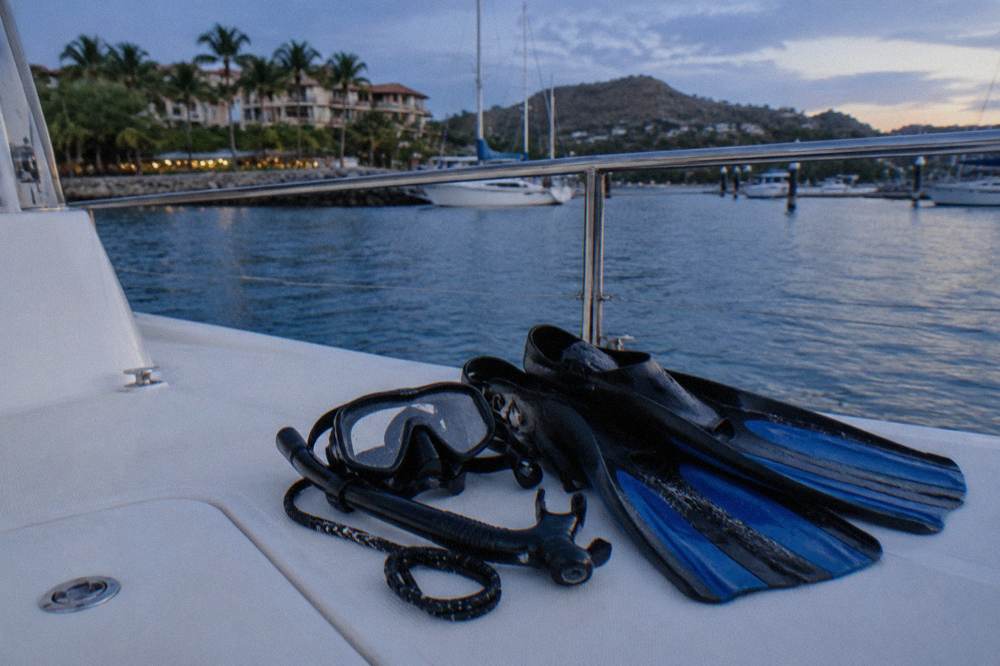
For snorkel-first travelers, the filter is straightforward. Curious which trip earns the most reviews on this coast? The Blue Dolphin day catamaran, 990 reviews. Want the earliest water time? A morning departure, because wind rises after about 11 am. Traveling with children? The morning nature catamaran with kids' games is built for that, and the all inclusive day sail carries kayaks that keep non-snorkelers busy. Want the reef to yourself? The private snorkel boat, from $500 per group for 4 hours, includes a professional crew, safety briefing, snorkeling equipment, snacks and soft drinks, with photos included, though it lists no meal and no open bar.
One planning note that belongs here rather than repeated later: Tamarindo Catamaran Cruises covers only catamaran products, so every trip in the table above is a catamaran or sailing vessel rather than a dedicated dive boat. Serious divers should book a dive operator separately; snorkelers will find the gear and guidance on these listings sufficient for cove and island sessions. Pack reef-safe sunscreen: operators on protected coasts increasingly encourage it, even though Costa Rica has no nationwide chemical sunscreen ban, only a reduced tariff line that favors reef-safe products.
How The Regions Compare Side By Side
For most visitors, the Guanacaste coast around Tamarindo and Flamingo is the most practical base for snorkeling by catamaran, with the Catalina Islands a known spot for manta rays and dolphins. Costa Rica also has snorkeling on the Caribbean side and around the Osa Peninsula, but those areas fall outside these trips. The comparison below compresses everything above into one view.
| Region | Water clarity | Access from a Tamarindo base | Trip style |
|---|---|---|---|
| Guanacaste coast and Catalina Islands | 15 to 25 m in dry season, operators report | Catamaran trips of 4 to 5.5 hours, from $90 per person | Shared sails, open bar, meal, gear included |
| Osa Peninsula and Caño Island | Regularly described among the country's best | Full day or overnight logistics via Drake Bay or Uvita | Dedicated boat, park entry, no bar culture |
| Cahuita and Manzanillo, Caribbean | Clear windows in calm weather, living coral reef | Cross-country travel, a full day of driving each way | Small boat or shore entry inside the national park |
| Manuel Antonio and Central Pacific | Moderate, mainland sediment effect | Roughly half a country away by road | Small boat tours from Quepos |
The pattern to take away: Costa Rica rewards matching the region to your base rather than chasing a single "best" reef. A visitor with a week in Guanacaste who flies to the Osa for one snorkel has spent more time in cars and planes than in the water. The same visitor who takes a morning catamaran to the Catalinas, an afternoon sail to Conchal, and a sunset cruise with a swim stop has been in clean Pacific water three times without repacking a bag.
That is the argument this site makes throughout, and it is why Tamarindo Catamaran Cruises focuses on the northwest coast's boat trips rather than pretending one beach answers every question. The water here is warm year round, roughly 27 to 29 degrees Celsius on monthly averages, with the warmest readings in May and the coolest in January and February, so a wetsuit is never part of the packing question. What changes is what you can see through it.
Common Questions About Snorkeling In Costa Rica
What part of Costa Rica has the best snorkeling?
The northwest Pacific coast of Guanacaste, especially the Catalina Islands and the coves around Playa Conchal and Playa Flamingo reached by boat from Tamarindo. Operators report 15 to 25 meters of visibility there in the dry season, December to April, which is the best combination of clear water and easy access in the country.
Is Tamarindo beach itself good for snorkeling?
Not especially. Open-beach water at Tamarindo is often cloudy from sediment and waves, and clarity improves at nearby coves and the Catalina Islands. That is why the local snorkel trips are boat trips: the catamarans take you to the clear water rather than swimming off the town beach.
When is snorkeling visibility best in Costa Rica?
Dry season, December to April, when operators report 15 to 25 meters of visibility on the Guanacaste coast versus 8 to 12 meters or less in the green season, May to November. February is the driest month on the 30-year record and October the wettest, and rain is what clouds the water.
Can you see whales and dolphins while snorkeling in Guanacaste?
Dolphins are commonly reported on snorkel trips to the Catalina Islands, and humpback whales pass the Pacific coast in two windows, roughly December to March or April and July to mid November. No operator can promise a sighting; guest reviews from 2026 Tamarindo trips do report whales, turtles and dolphins, but every listing treats them as possible rather than guaranteed.
Do Tamarindo catamaran tours include snorkel gear?
Every snorkel day cruise on this page lists snorkel equipment as an inclusion, and most also list a meal and an open bar. Prices run from $90 to $169 per person on shared trips. Check each listing for minimum ages and transport, since those details vary by product.
Is the Caribbean side of Costa Rica better for snorkeling?
The southern Caribbean around Cahuita and Manzanillo is its own trip, but it falls outside this site. These listings all depart from Tamarindo, Flamingo and Potrero on the Pacific coast. The clear-water windows are weather dependent and the coast sits a full day's drive from Guanacaste, so it makes sense as a base of its own rather than a day trip.